7 Feminist Elements in Thalapathy

7 Feminist Elements in Thalapathy ✋
First of all, this post isn’t denying the unsavory cinematic liberties and stereotypes that Mani Ratnam has spewed in his films. In fact, his Kaatru Veliyidai and Chekka Chivantha Vaanam are major red flags. But still, I want to talk about Thalapathy and the movie’s feminist elements that are way ahead of their time.
1. A man pacifies his wife’s dilemma about her rape and the son she bore out of wedlock. ❤


2. Giving the birth of a girl child a positive outlook - how daughters are more empathetic and caring.💃

- responsible
- independent
- thoughtful, and
- caring.

3. No stalking in the name of love. No blaming women for their helplessness to continue with the relationship. And no revenge plotting and slut shaming due to break up. 💕

Surya (Rajinikanth) meets Subbulakshmi (Shobana) randomly. He is honest about himself to her and says it’s fine if she rejects him because his path is different.

What’s most natural is how he bursts out after learning about Subbu’s fixed marriage. He asks her if he is the one who said he likes her and scolds her after she says she’s unable to oppose her father.

After chasing her away,
- He blesses her to live well.
- Feels for his love failure for a while.
- Then he gets back to work.
This can serve as a lesson to male youths these days who kill their girlfriends for wanting to break up or for unreciprocated love or even, not agreeing to talk.
4. A single, never-before married man marries a widow and accepts her child as his. ✊

Although the marriage between Surya and Padma is one of convenience rather than love and mutuality, widow remarriage is a rare concept in our society and in films.

Surya vows to protect her and her child to ease up his guilt of killing her husband. Although I disagree that men must protect women from other men, this portrayal is groundbreaking in terms of societal norms and culture.
5. A man says to the child his wife bore out of wedlock that he is of father status for him. 😭
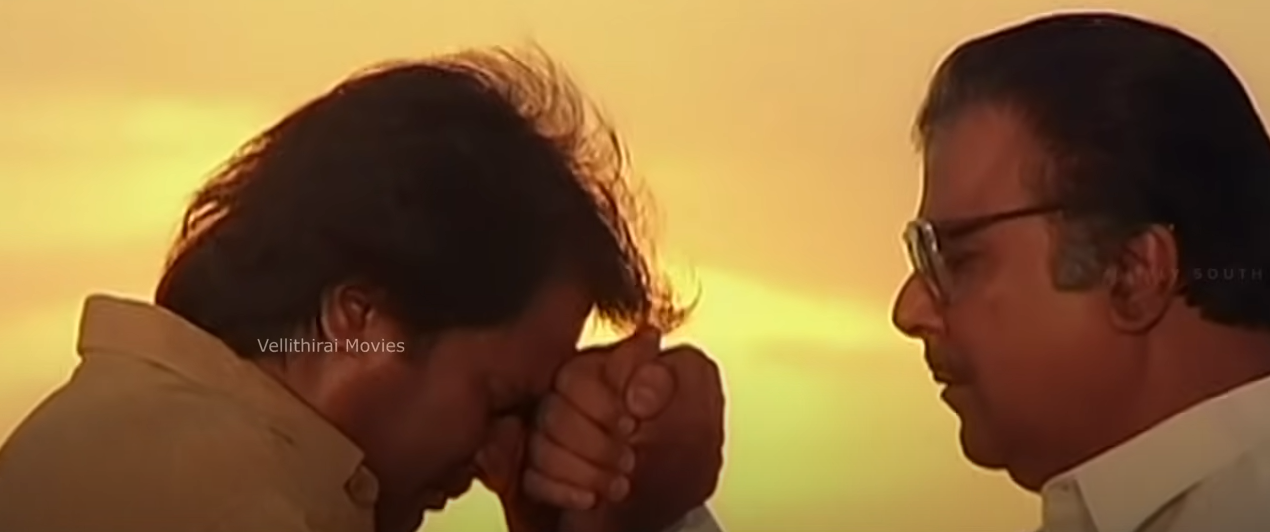
I think this was the first and last Tamil cinema to portray such an occurrence. Few men are ready to do the same. Often, such men are shamed for taking responsibility for a child that isn’t theirs.
6. Surya singlehandedly negates toxic masculinity.💪

He also shows his vulnerability to his child and it’s so beautiful. Surya has firm principles, a conscience, and a sense of what’s right and wrong.
He is not mindlessly abusive, egoistic, and angry - and that's masculinity - that's human.
7. Shatters the Indian concept of marriage, making it person-centric rather than society-centric. 😍


Comments
Post a Comment